India-Bangladesh ties may change after Bengal election
How BJP’s Bengal win may reshape India-Bangladesh relations
India and Bangladesh share a long border, strong trade ties and deep cultural connections. For many years, the relationship between the two countries remained important for security, business, water sharing and regional stability. However, political changes in both countries may now reshape how Delhi and Dhaka work together.
The recent BJP victory in West Bengal and political changes in Bangladesh have created fresh discussions about the future of India-Bangladesh relations. Experts believe issues such as water-sharing agreements, border fencing and trade could become major topics in the coming years.
For years, India had strong ties with Bangladesh under former Prime Minister Sheikh Hasina. During her government, both countries worked closely on security, trade, transport and border management.
However, after political changes in Bangladesh, relations reportedly became more difficult. Diplomatic discussions slowed and disagreements increased on some sensitive matters.
Now, with the Bangladesh Nationalist Party (BNP) returning to power in Bangladesh and BJP forming the government in West Bengal, many believe both countries may try to rebuild cooperation.
One of the biggest issues between India and Bangladesh is water sharing.
Several rivers flow from India into Bangladesh and are important for farming, drinking water and daily life in both countries.
The Ganges river agreement is one such important deal.
India and Bangladesh signed a 30-year treaty in 1996 for sharing Ganges water. This agreement is expected to end later this year, making fresh talks important.
Bangladesh leaders have already spoken about the need for a new agreement.
Officials in Bangladesh say a new understanding should reflect the needs of both countries and ensure fair water distribution.
Water sharing is a sensitive issue because millions of people depend on river water for agriculture and daily use.
Farmers in both India and Bangladesh closely watch these discussions because water shortages may affect crops and incomes.
Another major issue is the Teesta river agreement.
For many years, Bangladesh has wanted a formal water-sharing deal over the Teesta river.
The agreement could not move forward earlier because of opposition from West Bengal’s previous government.
There were concerns that sharing water could affect farming and daily needs in North Bengal.
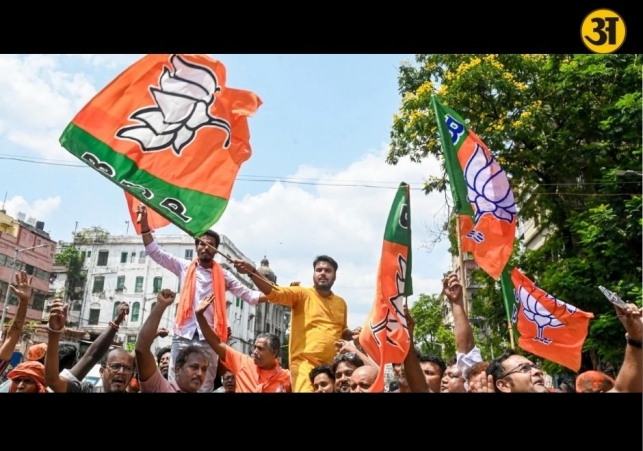
Now, after BJP formed the government in West Bengal, discussions about the Teesta agreement have returned.
Some leaders in Bangladesh hope the matter may be reconsidered.
Supporters of the agreement believe stronger water cooperation may improve relations and support regional trade and connectivity.
At the same time, critics worry about the effect on local farmers and water supply in parts of India.
Because of this, the issue remains politically sensitive.
ALSO READ: Why overthinking gets worse after midnight, according to experts
ALSO READ: Vaping, smoking and chewing tobacco are harming more than just the lungs, doctors warn
Border and security concerns remain important
Border management is another key matter between the two neighbours.
India and Bangladesh share a very long border that stretches across several states.
The border is important for trade, movement of people and security.
Soon after taking office, West Bengal Chief Minister Suvendu Adhikari announced plans to support border fencing projects.
The state government said land would be provided to the Border Security Force (BSF) for fencing work.
Supporters say stronger fencing may help stop illegal crossings, smuggling and infiltration.
Government officials have argued that secure borders are important for national safety and better monitoring.
Some Indian leaders believe stronger fencing will help reduce illegal activities and improve law enforcement.
However, there are concerns from Bangladesh as well.
Some people in Bangladesh worry that stricter fencing may affect local communities living near the border.
Border areas often depend on small trade activities and movement linked to everyday livelihoods.
Experts say tighter restrictions could affect informal economic activities that many families rely on.
Some commentators in Bangladesh have also raised concerns about possible humanitarian effects if border control becomes too strict.
People living near the border often share cultural, family and business ties that have existed for decades.
Because of this, officials from both countries may need to balance security with human concerns.
Good communication between governments may become important in reducing tensions.
Political and social issues may shape future relations
Apart from water and border matters, political decisions inside West Bengal may also influence discussions.
The new state government recently issued rules linked to animal slaughter before Bakrid.
The decision created political debate and legal challenges.
Supporters said the rules aimed to improve regulation and prevent illegal slaughter.
Critics feared it could affect livelihoods and create confusion among communities.
The matter also received attention in Bangladesh media.
Some reports raised concerns about how such decisions may affect minority communities or business activity.
At the same time, some reports suggested traders could face economic difficulties because festive periods are important for earnings.
Such developments may influence public opinion in both countries.
Political statements, media reports and public reactions often shape diplomatic relations alongside official talks.
Still, many experts believe India and Bangladesh have strong reasons to maintain cooperation.
Trade between the two countries remains important.
Both nations also work together on transport links, energy projects and regional security.
Bangladesh is an important neighbour for India in South Asia, while India remains one of Bangladesh’s biggest partners in trade and connectivity.
Experts say practical cooperation may continue despite political disagreements.
Many believe the coming years may depend on how leaders handle difficult subjects like water sharing, border security and public concerns.
Political change can create new opportunities, but it can also bring fresh challenges.
Strong communication, trust and regular dialogue may become necessary for avoiding misunderstandings.
India and Bangladesh have shared history, geography and economic interests.
For this reason, observers say both countries are likely to continue working together even if disagreements remain.
The future of the relationship may largely depend on how new political equations develop and whether both sides can find practical solutions to sensitive issues.
Related News